Fort Myers, FL
Quartz and pebble pool finishes in Fort Myers
Updated November 2026
Quartz and pebble finishes mix aggregate into the cement for a surface that typically lasts longer and hides stains better than plain plaster. Here’s how to choose.

Plaster, quartz and pebble side by side
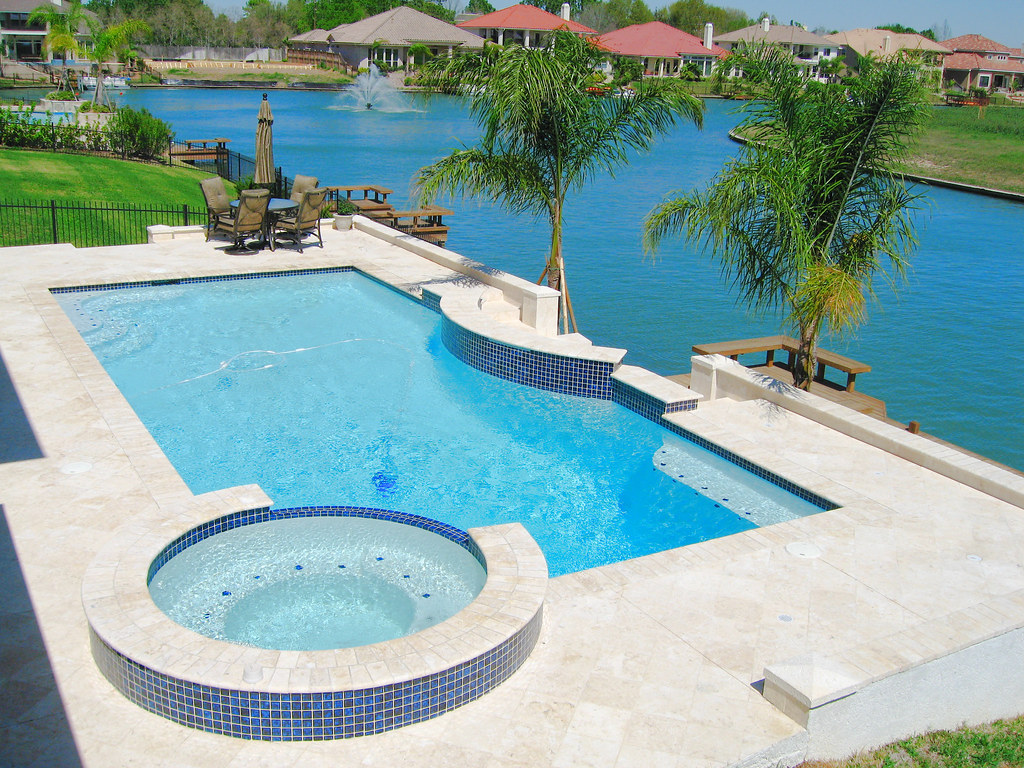
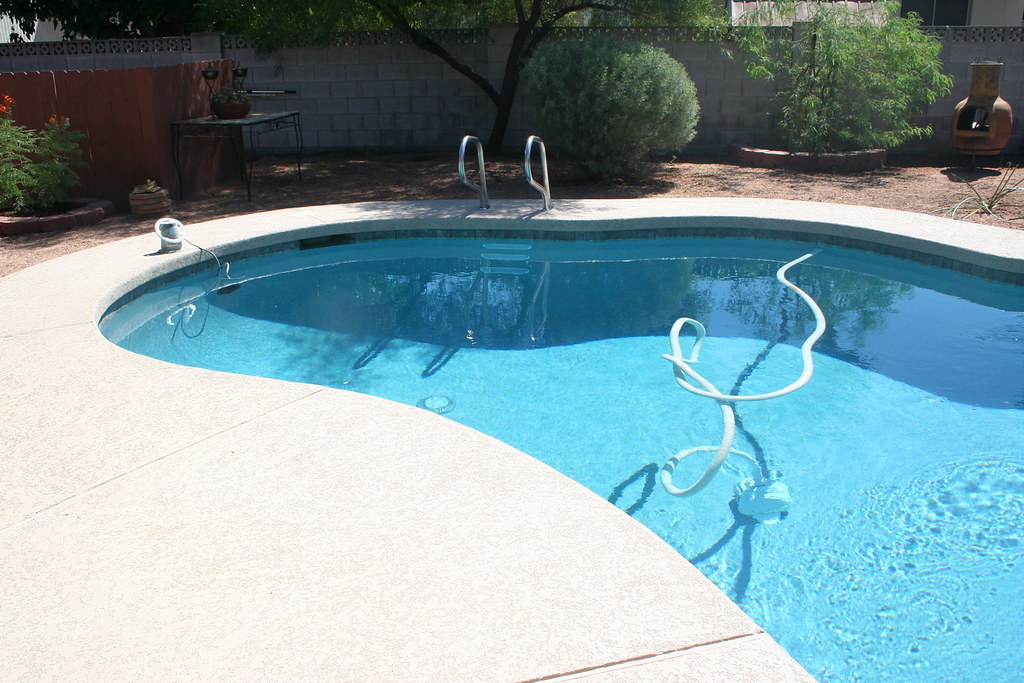
Reference photos from other pools — not local jobs or exact product samples. See credits.
Quartz: the middle ground
Quartz finishes blend crushed quartz into the plaster. The surface stays smooth, resists etching and staining better than white plaster, and comes in a wide range of colors — from bright blues to deep lagoon tones. Typical cost: $7,000–$15,000, with a lifespan around 10–15 years, per 2026 cost guides.
Want a real number for your pool resurfacing project? We call back within one business day, usually sooner.
Call (239) 788-2097Leave a message with your name, number and project. We call back within one business day.
Pebble: maximum durability
Pebble finishes expose small, rounded stones at the surface. They’re the most durable common finish — often 15–25 years — and very forgiving of stains. The trade-off is texture: pebble feels bumpier underfoot. Mini-pebble and polished options feel smoother. Typical cost: $9,000–$20,000+.
Which fits a Southwest Florida pool?
- Year-round swimming and full sun wear finishes faster — aggregate finishes generally hold up better.
- Kids and frequent use: quartz or smooth mini-pebble is kinder to feet.
- Selling within a few years: fresh plaster may be the cost-effective choice.
- Staying long-term: pebble’s lifespan often lowers cost per year.
Color in Florida sunlight
Finish color changes how the water looks: white and light finishes read bright aqua, while grays, blues and blacks produce deeper blue-green water. Ask to see large samples outdoors, in sun and in water if possible — small chips look very different from a full pool.
Questions
Is pebble worth the extra cost?
If you plan to keep the pool for many years, often yes — longer life can mean a lower cost per year. If you’re selling soon, plaster or quartz may make more sense.
Does quartz feel different from plaster?
Quartz stays smooth and feels close to plaster. Pebble has a noticeable texture.
Do aggregate finishes need different care?
The basics are the same: keep the water balanced and brush during start-up. Aggregate finishes are generally more tolerant of minor chemistry swings, but not immune.